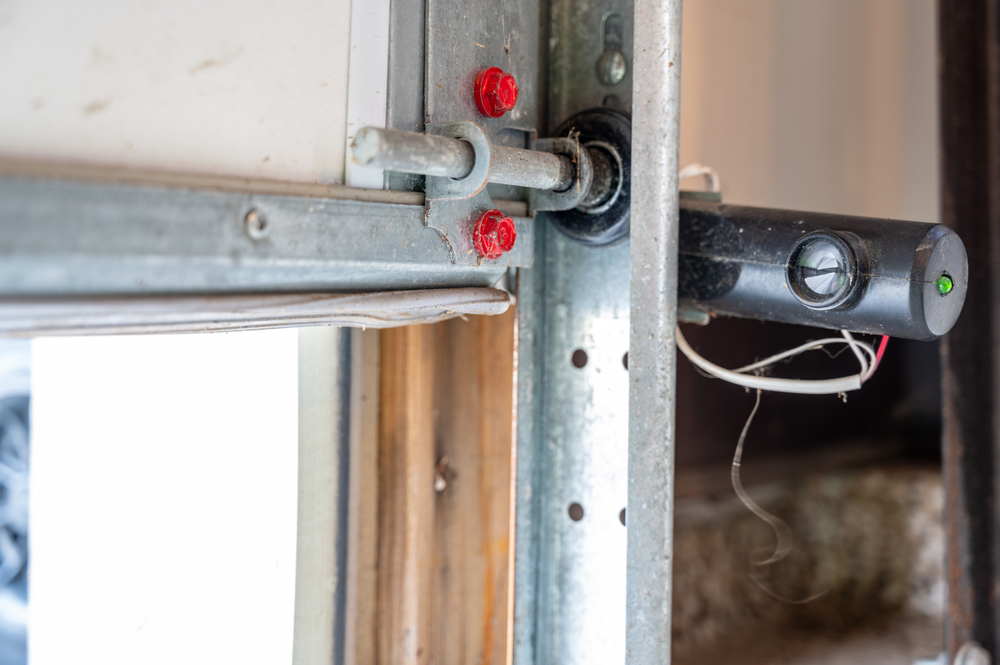
Few things are more frustrating than a garage door that won’t close, especially when you’re in a hurry or facing bad weather. Many homeowners in CT experience this issue at some point, and while it might initially seem like a complex mechanical failure, the problem is often surprisingly simple. One of the most common causes is misaligned garage door sensors. These small devices are critical for the safe operation of your door, but they’re also sensitive and prone to being knocked out of place.
Misaligned garage door sensors are not just common; they are also one of the easiest fixes a homeowner can tackle. A bit of knowledge, a careful eye, and a few minutes of your time are often all you need to restore your door to full functionality. Before you call a technician or assume the worst, it’s worth investigating the sensors. In most cases, this quick repair can save you both time and money.
What Garage Door Sensors Do and Why They Matter
Garage door safety sensors were introduced as a safety feature to prevent injuries or property damage. Positioned a few inches above the floor on either side of the door frame, these sensors communicate using an invisible infrared beam. One unit sends the beam, and the other receives it. As long as the beam remains uninterrupted, the system allows the door to close. If the beam is blocked, by a person, pet, or object, the door will stop and reverse.
This system protects children and pets from accidents, and it helps prevent damage to cars or other belongings. However, when the sensors become misaligned, the garage door opener interprets this as an obstruction, even when nothing is there. The result is a garage door that won’t close.
In Connecticut, changes in weather, strong winds, or minor impacts can easily knock these sensors out of alignment. Even something as small as shifting the garbage bins too close to the door can do it. Fortunately, identifying and fixing this issue is simple, even for someone with no technical experience.
Recognizing the Signs of a Sensor Problem
There are a few telltale signs that point to a misaligned garage door sensor. The most obvious is when the garage door opens without trouble but won’t close. Sometimes, it starts to close and then reverses before reaching the ground. You may also notice a blinking light on your garage door opener or hear a clicking sound when trying to operate it.
Check the sensors themselves. Most models have small LED lights that indicate whether the beam is properly connected. If both sensors show steady lights, they are aligned correctly. If one or both are blinking, dim, or off completely, they are likely out of alignment or obstructed.
Another factor to consider is dirt or debris. In CT, seasonal dust, leaves, or cobwebs can collect on the sensor lenses and mimic the effect of a misalignment. Cleaning the lenses with a soft cloth should always be your first step. If the problem persists after cleaning, it’s time to adjust the alignment.
Fixing Misaligned Garage Door Sensors: A Step-by-Step Guide
Realigning your garage door sensors is a relatively easy task. Start by ensuring the sensors are clean and unobstructed. Use a dry cloth to gently wipe the lenses on both units. Once cleaned, inspect the mounting brackets that hold the sensors in place. These brackets are usually attached to the vertical metal rails near the floor.
Loosen the screws or wing nuts holding the sensors just enough so you can adjust their angle. Align the sensors so they face each other directly. Watch the indicator lights as you do this. When the beam is properly aligned, both lights should glow steadily. This confirms that the infrared beam is uninterrupted and the sensors are correctly positioned.
Once the lights are steady, gently retighten the screws or fasteners. Be careful not to over-tighten or shift the sensors during this step. After securing the sensors, test the garage door. If it closes smoothly and without interruption, you’ve resolved the problem.
To double-check the system, test the safety function. Use an object such as a broom handle and pass it between the sensors as the door is closing. The door should immediately stop or reverse. This confirms that your garage door safety sensor issue has been properly fixed and the system is working as intended.
When the Problem Is More Than Just Misalignment
While misaligned garage door sensors are a common issue, they’re not the only thing that can prevent your door from closing. If the door still won’t close after cleaning and aligning the sensors, other problems might be at play. These can include damaged sensor wires, faulty sensors, or a malfunctioning garage door opener.
Check the wiring connected to the sensors for visible wear, fraying, or disconnections. Rodents, moisture, or corrosion can cause these wires to deteriorate, especially in CT’s varied climate. If the wiring is damaged, you may need to replace the affected parts or call a technician for repair.
In some cases, the sensors themselves might be broken. This can happen if they’ve been bumped hard or exposed to harsh conditions over time. If you suspect a faulty sensor, consider replacing both units to ensure compatibility and long-term reliability.
However, in the majority of cases, the issue is nothing more than a simple misalignment. Once fixed, it can provide instant relief and get your garage door working like new again.
A Simple Repair Every Homeowner Should Know
When your garage door won’t close, it can be tempting to panic or assume a costly repair is in your future. Yet for many homeowners, especially those in CT, the solution is often quick and within easy reach. Misaligned garage door sensors are one of the most common problems, and one of the easiest to fix.
By taking a few moments to clean and realign the sensors, you can avoid unnecessary service calls and restore your garage door’s function on your own. Learning how to identify and fix a garage door safety sensor issue is a practical skill that offers peace of mind, savings, and convenience.
Make it a habit to check your sensors periodically, especially after storms, seasonal shifts, or any time the garage has seen heavy use. It’s a small effort that can prevent larger problems down the line. With a little attention and care, you’ll keep your garage door running smoothly year-round.
Need Garage Doors Services Near You?
At Connecticut Garage Doors, LLC, we take pride in being your trusted local garage door experts in North Haven, CT, and we’re here to make sure your home or business always has a safe, reliable, and stylish garage door solution. Whether you’re looking for a brand-new custom door, a professional installation, or dependable repairs and maintenance, our experienced team is ready to deliver results you can count on. Don’t wait until a small issue becomes a big problem; reach out to us today and let us provide the expert service and high-quality products that will keep your garage door operating smoothly all year long.

A garage door is one of the most frequently used entry points to your home. It provides security, convenience, and often makes up a large portion of your home’s curb appeal. Despite its importance, many homeowners overlook the warning signs that indicate their garage door is nearing the end of its lifespan. Regular garage door repair can extend its life, but there comes a time when even the best garage door contractors will recommend a complete replacement. Understanding when it’s time for a new garage door can save you money, prevent safety hazards, and keep your home looking its best.
In this article, we’ll explore five critical warning signs that your garage door may need to be replaced, and what you should do if you notice them.
1. Excessive Noise and Vibration
One of the first signs that your garage door is failing is unusual noise or vibration. While most garage doors make some noise during operation, loud grinding, screeching, or rattling sounds are not normal. These noises often point to worn-out springs, loose hardware, or issues with the door’s opener.
A door that vibrates excessively when opening or closing may also indicate serious structural problems. The panels could be warped, or the rollers might be coming off their tracks. In some cases, minor garage door repair can address the issue, such as lubricating the rollers or tightening the hardware. However, if the noises persist even after maintenance, it’s often a sign that the entire system is wearing down.
Garage door contractors frequently emphasize that ignoring these sounds can lead to further damage. The vibrations can stress the opener motor, bend the tracks, or even cause the door to collapse unexpectedly. When the noise becomes disruptive and persistent, replacement is often the safer and more cost-effective solution.
2. Sagging or Uneven Door Panels
A garage door should always open and close smoothly, sitting evenly on the ground when shut. If you notice that your door sags on one side, hangs unevenly, or doesn’t align properly with the frame, it’s a strong indication that something is wrong.
Sagging doors can be caused by weakened springs, deteriorating panels, or warped tracks. Over time, wood garage doors are especially prone to sagging because of moisture damage and warping. While garage door repair might temporarily address balance issues, persistent sagging usually means the door’s structure is compromised.
This misalignment doesn’t just affect aesthetics—it’s also a safety concern. A sagging garage door can create gaps that compromise your home’s insulation and security. It may also put uneven pressure on the opener, leading to premature failure. Garage door contractors often point out that once the frame or panels lose their structural integrity, replacement is the only way to restore both function and safety.
3. Frequent Breakdowns and Repairs
Another clear warning sign is when your garage door requires constant attention. If you’ve already spent a significant amount of money on garage door repair, but the door still malfunctions regularly, it’s likely more cost-effective to replace it.
Common recurring issues include broken springs, frayed cables, malfunctioning openers, and misaligned tracks. While each of these problems can be repaired individually, repeated failures suggest that the system as a whole is wearing out. Garage door contractors often advise homeowners to calculate the total cost of recent and future repairs. If the expense approaches or exceeds half the cost of a new garage door, replacement is usually the smarter investment.
Frequent breakdowns don’t just drain your wallet—they also create safety and security risks. A door that won’t close properly leaves your home vulnerable, and one that suddenly stops working could trap your car inside the garage. Instead of continuing with piecemeal repairs, replacing the entire door system can restore reliability and peace of mind.
4. Visible Damage and Wear
Garage doors endure constant exposure to the elements, which means wear and tear is inevitable. Over the years, panels can crack, rust, or warp, especially if the door hasn’t been maintained properly. If your garage door is showing visible damage, it may be beyond the point of effective garage door repair.
Wood doors may rot or split, steel doors can develop rust spots, and fiberglass panels often become brittle and cracked. While small cosmetic issues might not seem urgent, they often lead to larger functional problems. Cracks and gaps can let in water, pests, or drafts, while corroded metal parts can compromise the door’s strength.
Garage door contractors typically recommend replacement if the damage affects the majority of panels, the frame, or the insulation. Even if the door still opens and closes, its weakened structure could pose a serious hazard. Moreover, an outdated or damaged garage door can drag down your home’s curb appeal, reducing property value. A new door not only improves safety and efficiency but also enhances the overall look of your home.
5. Outdated Technology and Safety Features
Garage door technology has advanced significantly in recent years. Modern systems include safety sensors, rolling code security features, and smartphone connectivity. If your current garage door lacks these updates, it might be time for an upgrade.
Older doors often don’t meet today’s safety standards. For example, many modern garage door openers come with auto-reverse mechanisms that prevent the door from closing if something is in its path. Without this feature, you risk accidents that could injure children, pets, or damage property. Additionally, outdated openers may not be compatible with newer garage door repair parts, making maintenance increasingly difficult.
Garage door contractors often stress the importance of upgrading for both safety and convenience. A new garage door not only operates more quietly and efficiently but also integrates with smart home systems. Features like keyless entry, remote monitoring, and improved insulation add comfort and security to your daily routine. If your garage door system hasn’t been updated in 15 to 20 years, replacement is almost always the best choice.
Conclusion
Your garage door plays a crucial role in your home’s safety, energy efficiency, and curb appeal. While garage door repair can address many minor issues, the warning signs outlined above often signal the need for a complete replacement. Excessive noise, sagging panels, frequent breakdowns, visible damage, and outdated technology all point to a system that is no longer reliable or safe.
Investing in a new garage door not only eliminates recurring repair costs but also ensures your home is secure and functional. Garage door contractors can help you choose the best replacement option for your needs, balancing durability, design, and modern features. By recognizing the warning signs early, you can avoid costly emergencies and enjoy the peace of mind that comes with a fully operational garage door.
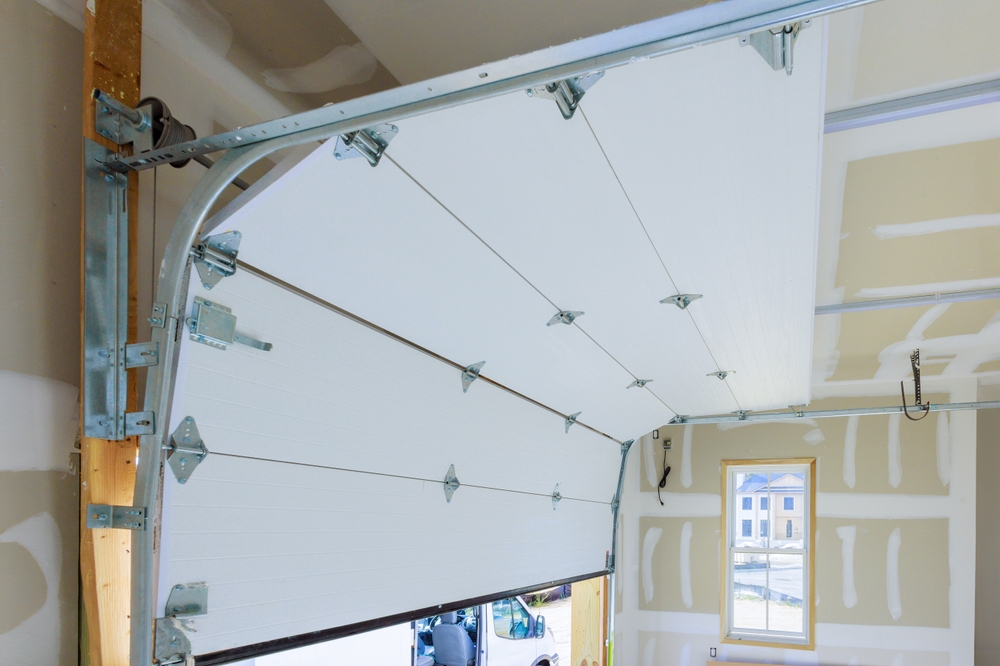
Garage doors are one of the most important moving parts of any home. They provide security, curb appeal, and daily convenience while protecting vehicles and belongings from the elements. Yet, despite their importance, garage doors are often overlooked when it comes to routine maintenance. Many homeowners only pay attention to their garage doors when a problem occurs, such as a loud squeak, a broken spring, or worse, a complete failure to open or close.
Understanding the importance of servicing a garage door can save homeowners money, increase safety, and extend the lifespan of the entire system. One of the most common questions homeowners ask is how often should garage doors be serviced. The answer involves not only the manufacturer’s recommendations but also the unique demands of your home, usage frequency, and environmental factors.
In this article, we will explore the benefits of regular garage door maintenance, how to recognize when service is needed, and provide clear guidance on establishing a schedule for care.
Why Regular Garage Door Maintenance Matters
A garage door is much more than a decorative exterior feature. It is a mechanical system that includes springs, rollers, cables, hinges, tracks, and an opener. Each of these parts works together to lift and lower a heavy door multiple times a day. Because of the complexity of the system and the weight of the door, any neglected component can quickly lead to wear, damage, or even dangerous malfunctions.
Regular maintenance ensures that small issues are detected before they grow into costly repairs. For instance, lubricating moving parts minimizes friction and prevents wear, while tightening bolts and checking cables ensures stability. A garage door that is properly maintained operates smoothly, which not only reduces noise but also puts less strain on the opener.
More importantly, routine service improves safety. Garage doors are under extreme tension, particularly the springs that counterbalance the weight of the door. If these springs break unexpectedly, they can cause serious injuries or damage. Professional servicing reduces this risk by ensuring that springs and other critical parts are inspected and replaced before they fail.
Beyond safety, regular servicing helps to maintain the efficiency of your garage door opener. A door that glides smoothly on its tracks is less likely to strain the motor. This means you avoid premature wear on your opener, which can be an expensive part to replace.
How Often Should Garage Doors Be Serviced?
The specific answer to how often should garage doors be serviced depends on usage, climate, and the age of the system. For most homeowners, experts recommend a professional inspection and tune-up at least once a year. This annual service should include testing the balance of the door, inspecting springs and cables, lubricating all moving parts, and checking the safety features of the opener.
However, if your garage door is used multiple times a day, or if it serves as the primary entry and exit point for your family, more frequent servicing may be necessary. High-use doors often need attention every six months to prevent parts from wearing out prematurely.
Climate is another factor. In areas with harsh winters or hot summers, the fluctuating temperatures can affect metal parts and cause them to expand or contract. This can loosen connections or cause rollers to wear unevenly. In such conditions, checking the system twice a year can help maintain reliable operation.
Older garage doors also require closer attention. As parts age, they are more prone to fatigue and breakage. A system that is more than ten years old benefits from semi-annual servicing, especially if original parts have not yet been replaced.
Ultimately, establishing a maintenance schedule that fits your specific situation is the key to avoiding unexpected breakdowns. Annual servicing is the minimum, but semi-annual inspections may be necessary for homes with heavy usage or older equipment.
Signs Your Garage Door Needs Immediate Service
Even if you follow an annual or semi-annual maintenance routine, there are times when your garage door may show signs that it needs immediate attention. Recognizing these early warnings can prevent costly repairs or dangerous accidents.
One clear sign is unusual noise. A garage door that creaks, grinds, or squeals is signaling that parts may be worn or lacking lubrication. Another warning is uneven movement. If the door shakes, hesitates, or appears crooked while moving along the tracks, it may have a balance issue or a damaged roller.
Slow response from the opener is another indicator. If your door does not open or close promptly when you press the remote, there could be an issue with the motor, springs, or the safety sensors. Similarly, if the door closes partway and then reverses for no reason, it could be a problem with alignment or obstructions in the safety mechanism.
Physical wear on cables and springs should never be ignored. If you notice fraying, rust, or visible gaps in the springs, the door needs professional service immediately. Attempting to repair or replace these parts without the right tools and expertise is extremely dangerous.
A final red flag is higher energy bills. A poorly sealed or misaligned garage door can allow drafts into the garage, forcing your home’s HVAC system to work harder. In this case, weatherstripping and alignment checks should be part of the service.
The Benefits of Professional Garage Door Service
While homeowners can perform basic tasks like cleaning tracks and applying lubricant, a professional garage door technician provides expertise that ensures a thorough inspection and safe repair. Professionals are trained to identify hidden problems that an untrained eye may overlook.
During a service visit, a technician not only checks obvious components but also tests the door’s balance and safety features. They ensure that the automatic reversal system is working, which is critical for preventing accidents if a child or pet is under the door when it closes.
Professional service also extends the lifespan of the garage door system. By replacing worn parts before they fail, the technician ensures that the system continues to run smoothly for years. This reduces the likelihood of emergency repairs, which are often more expensive and inconvenient.
Another key benefit is peace of mind. Knowing that your garage door has been serviced by an expert means you can operate it daily without worrying about sudden malfunctions. This assurance is particularly valuable when your garage door is the main entryway into your home.
Finally, professional maintenance can preserve your warranty. Many garage door manufacturers require regular servicing by a qualified technician in order to keep the warranty valid. Skipping maintenance could void this protection, leaving you responsible for the full cost of future repairs.
How to Establish a Maintenance Schedule for Your Garage Door
The most effective way to answer how often should garage doors be serviced is to develop a schedule based on both professional recommendations and your household’s unique needs. Start with an annual professional service as the foundation. This ensures that your system is inspected thoroughly and that any worn parts are replaced.
From there, consider your usage habits. If your garage door opens more than six times a day, schedule a second professional inspection six months after the first. For those in climates with extreme seasonal changes, align servicing with the transitions between hot and cold weather.
In between professional visits, homeowners should perform monthly visual checks. Look for loose bolts, frayed cables, or misaligned tracks. Test the auto-reverse feature by placing a small object under the door while it closes. If the door does not reverse immediately, schedule a repair.
Lubrication is another task that can be done every few months by the homeowner. Applying a silicone-based lubricant to the rollers, hinges, and springs can prevent friction and extend the life of these parts.
By combining professional servicing with simple homeowner checks, you create a comprehensive plan that ensures your garage door remains reliable, safe, and long-lasting.
Conclusion
Garage doors are often overlooked until something goes wrong, but with regular maintenance they can provide decades of reliable service. The question of how often should garage doors be serviced depends on usage, age, and climate, but at a minimum, an annual professional inspection is essential. For high-use or older systems, semi-annual servicing offers even greater protection.
Recognizing signs of trouble such as noise, uneven movement, or worn parts ensures that issues are addressed before they become emergencies. Professional technicians provide expertise, safety, and long-term value, making their services indispensable for homeowners who want peace of mind.
Establishing a maintenance schedule tailored to your home’s unique needs ensures that your garage door remains both functional and safe. With consistent attention, you protect one of the most important access points to your home, avoid costly repairs, and extend the life of your garage door system.
Need Garage Doors Services Near You?
At Connecticut Garage Doors, LLC, we take pride in being your trusted local garage door experts in North Haven, CT, and we’re here to make sure your home or business always has a safe, reliable, and stylish garage door solution. Whether you’re looking for a brand-new custom door, a professional installation, or dependable repairs and maintenance, our experienced team is ready to deliver results you can count on. Don’t wait until a small issue becomes a big problem; reach out to us today and let us provide the expert service and high-quality products that will keep your garage door operating smoothly all year long.